
Prof.dr.ir. Louise O. Fresco
President of the Executive Board of Wageningen University & Research.

The fashion industry has a large influence on the global economy and is more and more known for its social and environmental impact. Everywhere, new initiatives sustainable are arising from recycling and upcycling to creating clothes from compostable materials. Circularity tough, is a complex phenomenon. What will the future bring us? Are we going to decompose our clothes in our own garden?
This online course is a comprehensive introduction to circular fashion, brought to you by roughly thirty different experts from both academia and practice. You will learn about the versatile task of transitioning towards circular fashion, from the unique collaboration between Wageningen University & Research, ArtEZ University of the Arts and many other experts.
Is this course for you?This course will provide designers, retailers, scientists and all working at the industry or with an interest in fashion with holistic insights in the complex challenges of circular fashion, while engaging you to start the transition to circularity within your personal and/or professional practices. We will bring together art, design and science to move beyond an ego-centric approach of fashion and start from an ecosystems perspective. Learn the theory, understand the practice and start your own circular fashion journey. Join the movement towards a circular fashion industry!
After successful completion of this course, you will be able to:
Module 1: Translation and interpretations
Introduction to terms and concepts such as sustainability and circularity, understanding the role of eco in fashion. First introduction to design for circularity.
Module 2: Ecosystem circularity
Understanding the role of ecosystems in fashion. How to disrupt current thinking and mindset in the fashion industry and govern this transition.
Module 3: Closing the loop
Introduction to the complexity of materials and recycling of textiles. Understand the importance of design for disassembly and recycling.
Module 4: Biobased innovation & new materialism
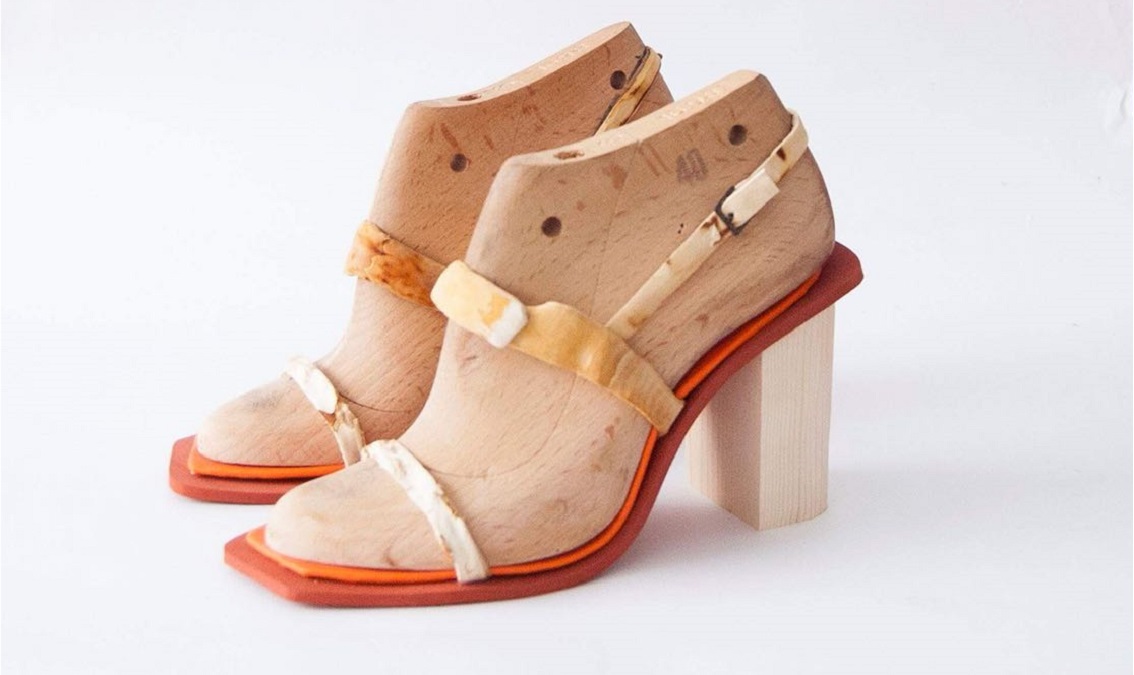
Learn about new biobased materials for textiles, understand the change in production processes and reflect on the future influence of biobased materials in fashion.
Module 5: Business as crafting value
Introduction to economic paradigms and new forms of value creation for circularity in the fashion industry. Understand investment and acceleration and circular retail models.
There are no prerequisites for this course.
"Great course, I think I learned a lot! I would definitely take another course related to sustainable fashion if it was offered."
"I loved this, I really did. I hope I can do more studies like this in the future."
"It was very interesting and rewarding. Happy with the scientific contributions of research and development for innovation."
President of the Executive Board of Wageningen University & Research.

Professor of Circular Business at The Hague University of Applied Sciences.

Vice-President Research at ArtEZ University of the Arts.
Senior Scientist at Wageningen Food & Biobased Research, Wageningen University & Research.

Content Coordinator of the Circular Fashion Lab at Wageningen University & Research.

Professor of Fashion at ArtEZ University of the Arts and researcher in Cultural Studies.

Professor of Product Design & Interior Architecture at ArtEZ University of the Arts.
Designer and founder of Studio Tjeerd Veenhoven, specializing in innovative materials and sustainable design.